
Decluttering before selling a home is about more than making a property look cleaner. It is about helping potential buyers understand the space, functionality, and potential of the property before they make an offer. Selling a home is not only about setting the right price. It is also about presenting the property in a way that allows potential buyers to see its space, functionality, and potential.
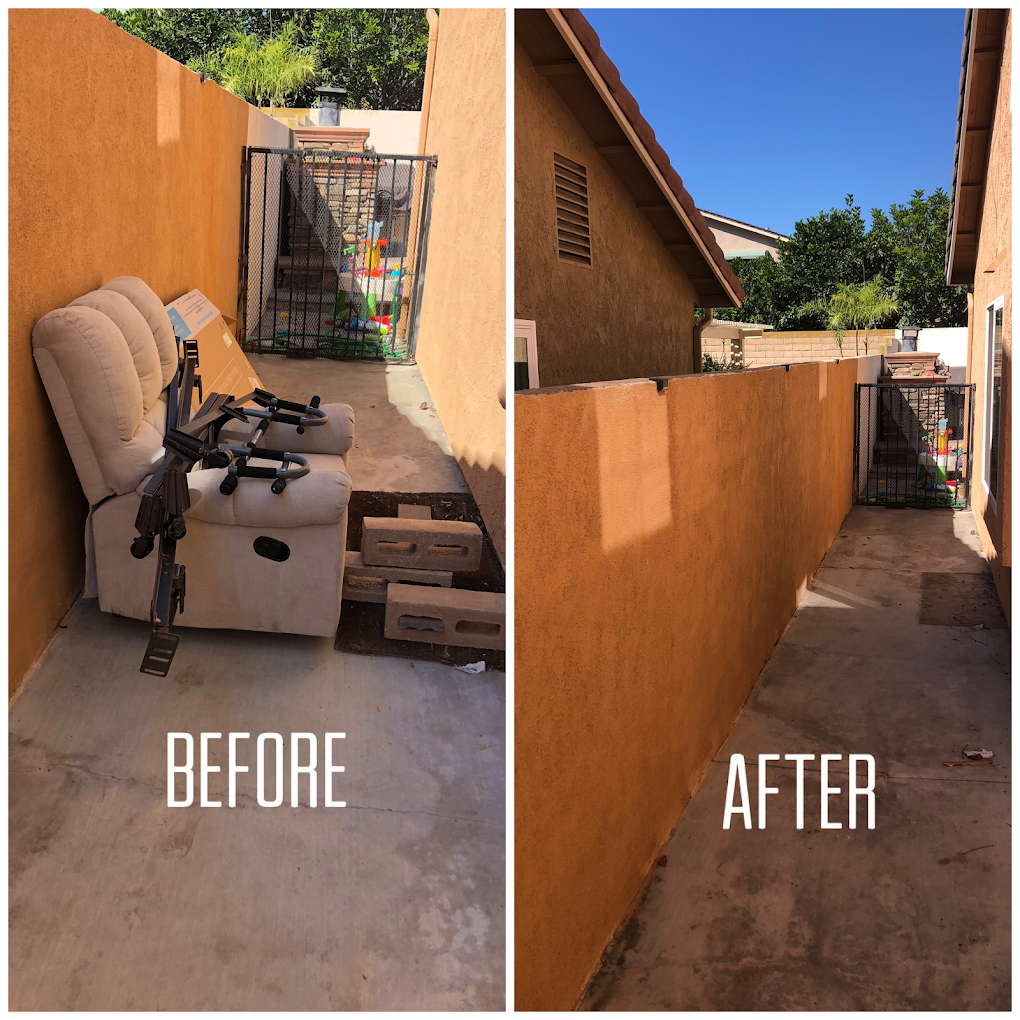
That is why decluttering has become an important part of preparing a home for the market.
As architect Luciana Oluvres explains in her article, “How Decluttering Your Home Can Increase Property Value Before Selling,” removing unnecessary items can improve the way buyers perceive a property by making rooms feel more spacious, functional, and easier to imagine as their own.
But there is an important distinction between simply organizing a home and actually preparing it for sale.
A few boxes moved into the garage may make a room look cleaner. Removing an old sectional, broken appliances, yard debris, excess furniture, and years of accumulated belongings can fundamentally change how a property is presented.
Here is how to approach decluttering strategically before listing your home.
What to Remove When Decluttering Before Selling a Home
Buyers do not see an empty house the same way they see a cluttered one.
Large furniture can make rooms appear smaller. Packed closets can make storage seem inadequate. Overfilled garages can hide usable square footage. Outdoor debris can distract from landscaping and curb appeal.
In other words, clutter can obscure the property itself.
A properly decluttered home allows buyers to evaluate:
- The actual size of each room
- Available storage space
- Natural light and sightlines
- Flooring, walls, and architectural details
- Garage and outdoor functionality
- How furniture could realistically fit into the space
This is one reason decluttering should happen before professional photography, staging, and showings rather than after.
The objective is not to make the house look empty.
The objective is to make the house easier to understand.
Decluttering Is More Than Putting Things Away
One of the most common mistakes homeowners make is confusing organization with removal.
If you have accumulated twenty years of furniture, appliances, boxes, decorations, yard equipment, and miscellaneous household items, moving everything into a garage does not solve the problem.
It simply moves the visual problem somewhere else.
Before listing a property, ask a more useful question:
Does this item help a buyer understand the value of the property, or does it compete with it?
Items that frequently make sense to remove include:
1. Oversized or Excess Furniture
Multiple sofas, old entertainment centers, oversized cabinets, broken tables, unused beds, and other bulky furniture can dramatically reduce the perceived size of a room.
You do not necessarily need to remove every piece of furniture.
Instead, focus on pieces that make rooms difficult to navigate or prevent buyers from seeing their actual dimensions.
2. Old Appliances
Broken refrigerators, washers, dryers, ovens, and other appliances can quickly turn into a logistical problem.
They are heavy, difficult to transport, and often require more than simply putting them next to the curb.
Professional appliance removal can eliminate the lifting, transportation, and disposal challenges while allowing the homeowner to focus on preparing the property itself.
3. Garage Clutter
The garage is one of the spaces where homeowners often underestimate the impact of clutter.
A garage filled from floor to ceiling with unwanted belongings may cause buyers to see “lack of storage” rather than “two-car garage.”
Clearing unnecessary furniture, boxes, old equipment, appliances, yard materials, and miscellaneous household items can restore the functional value of the space.
4. Yard Debris and Outdoor Items
The first impression of a property begins before a buyer walks through the front door.
Broken outdoor furniture, discarded materials, old fencing, branches, unwanted structures, and accumulated yard debris can make a property appear neglected even when the house itself is well maintained.
A clean exterior creates a much stronger starting point for the rest of the showing.
5. Items Left Behind by Previous Projects
Home improvement projects often create their own category of clutter.
Old flooring, drywall, lumber, cabinets, fixtures, carpet, packaging, and other construction materials can remain in garages, basements, sheds, and side yards long after a renovation is finished.
If the project is complete, the leftover materials should not become part of the property’s presentation.
What Should You Keep?
Decluttering does not mean throwing everything away.
A useful approach is to divide belongings into four categories:
Keep:
Items that are necessary, valuable, or actively used.
Sell:
Items that have meaningful resale value and are worth the effort of selling.
Donate:
Items that are still usable but no longer needed.
Remove:
Broken, damaged, obsolete, unwanted, or impractical items that have no realistic place in the next stage of your life.
The last category is where professional junk removal can make the biggest difference.
Instead of allowing unwanted items to remain in a garage for another six months, homeowners can remove them as part of the property’s preparation process.
When DIY Decluttering Before Selling a Home Stops Making Sense
There is nothing wrong with handling small amounts of decluttering yourself.
A few boxes, bags, or small household items can often be donated or disposed of without professional assistance.
The problem begins when the project involves heavy lifting, large volumes, stairs, tight access, appliances, furniture, construction debris, or multiple rooms.
At that point, the project becomes less about organization and more about logistics.
Moving a large sectional through a narrow hallway is different from carrying a box to the garage.
Removing a refrigerator is different from loading a bag of clothing into a car.
Clearing an entire garage is different from cleaning a single shelf.
That distinction matters because DIY removal can create unnecessary risks, including property damage, physical injuries, multiple trips, disposal fees, and wasted weekends.
Professional junk removal exists to solve the logistical side of the problem.
A Better Timeline for Decluttering Before a Home Sale
If you are preparing to sell, do not wait until the listing photos are already scheduled.
A better sequence is:
Step 1: Decide What Is Actually Staying
Walk through every room and identify items that will move with you and items that will not.
Do not organize first. Decide first.
Step 2: Remove the Large Items
Start with furniture, appliances, garage equipment, yard debris, and other bulky items.
Removing large objects immediately creates more working space for the rest of the process.
Step 3: Declutter Closets, Cabinets, and Storage Areas
Once the large items are gone, tackle the spaces buyers will inspect closely.
Closets, cabinets, garages, sheds, and storage areas should communicate usable space rather than overflow.
Step 4: Clean and Repair
After unwanted items have been removed, cleaning and minor repairs become much easier.
This is also when homeowners can identify damaged flooring, walls, fixtures, or other issues that should be addressed before photography.
Step 5: Stage and Photograph
Only after the property has been cleared, cleaned, and repaired should staging and professional photography take place.
This allows the marketing materials to showcase the property rather than the belongings inside it.
What Happens to Your Items After Junk Removal?
Professional junk removal should not simply mean loading everything into a truck and sending it to a landfill.
Responsible removal involves evaluating what can be donated, recycled, or otherwise diverted from disposal.
At Junk Solution, our approach is based on a simple hierarchy: donate first, recycle whenever possible, and dispose of what cannot reasonably be recovered.
Junk Solution currently reports an eco-diversion rate of up to 80%, with usable items directed toward local nonprofits and recyclable materials routed through appropriate recycling facilities.
That matters because decluttering a home does not have to mean creating unnecessary waste.
It can be an opportunity to give usable belongings a second life while responsibly handling the materials that cannot be reused.
How Much Junk Should You Remove Before Selling?
There is no universal number.
The right amount depends on the property, the amount of storage available, the furniture layout, and the expectations of the local market.
A useful test is simple:
If removing an item makes the room easier to walk through, easier to photograph, or easier for a buyer to imagine living in, it is probably worth considering.
For some homes, that might mean removing a single oversized piece of furniture.
For others, it may mean a complete garage cleanout, appliance removal, yard debris removal, or even a full property cleanout.
The important thing is to look at the home through the buyer’s perspective rather than the homeowner’s perspective.
Decluttering Is Part of Selling the Property
A home sale is ultimately a presentation exercise.
The buyer needs to understand what the property offers before they can place a value on it.
That is why decluttering should not be treated as an afterthought or simply as a cleaning chore.
It is part of preparing the property for its next chapter.
As Oluvres highlights, thoughtful decluttering can help reveal the property’s space, functionality, and design potential before it reaches the market.
And when the amount of material becomes too large, heavy, or complicated to handle yourself, professional junk removal can turn that preparation process into a much simpler operation.
At Junk Solution, we handle everything from single-item furniture and appliance removal to garage cleanouts and full property cleanouts throughout Orange County. Our crews load, haul, and clean up after the removal, allowing homeowners to move on to the next stage of preparing their property.
Preparing to sell your home? Clear the clutter before it becomes a problem.
Get a free estimate from Junk Solution and reclaim the space your property has been hiding.
Call (714) 495-9198 or request your junk removal service online.